




Grateful for a Painting Career That Inspires the Presentations
Now Imagine That was built from a painting career I’m grateful for, and from a belief that kids need to see more than finished work. They need to see how things get made.
At the center of the presentation is concert-scale stage backdrop work, the kind of large hand-painted visual work created for touring bands, live shows, and audiences that may only see the finished piece from a distance. Now Imagine That brings that world closer to students so they can see the path behind it, the idea, the sketch, the tools, the materials, the scale, the problem-solving, the patience, and the hand skill that turn imagination into something real.
From the Front Room Floor to Concert Stages Around the World
I’ve been immersed in art and visual storytelling for as long as I can remember. It started with crayons on the front room floor and steadily evolved into painting stage backdrops for iconic classic rock bands.
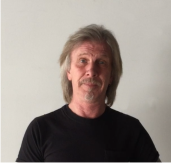
Along the way, I built my foundation through art classes in high school and community college, worked under some of the nation’s top painters, painted towering billboards in Las Vegas, ran a successful sign painting shop serving high-profile organizations, and eventually stepped into the world of large-scale concert backdrops.
That path taught me something I now want students to understand.
Creative skill is not just talent. It is built through practice, focus, hand control, tool control, problem-solving, observation, and the willingness to keep working when something is not finished yet.
Why Now Imagine That Exists
Now Imagine That grew out of that path.
After years of turning ideas into massive visual pieces for stages and audiences, I wanted to bring the process into rooms full of students. Not as a lecture about art, and not as a simple career day presentation, but as a live look inside how creative work actually happens.
The presentation is built around the work behind the backdrop: drawing, painting, tools, scale, structure, movement, visual decisions, problem-solving, and the physical process of making something large enough to change a stage.
That is the part kids do not usually get to see.
They see finished images everywhere. They see screens, logos, videos, games, movies, and polished results. But they do not always get to see the work behind those results. Now Imagine That gives them a close-up look at the making process, and shows that creative work can become more than a hobby. It can become a path.
It Starts With Art, But It Reaches Beyond Art
Painting is my path, but the message reaches beyond painting.
Now Imagine That uses stage backdrops as the nucleus because they are big, visual, memorable, and real. But the deeper value is not only the artwork. It is what the process reveals.
Kids see how ideas become physical through hands, tools, decisions, practice, and persistence. That connects to art, but it also connects to building, engineering, design, communication, production, problem-solving, and confidence.The presentation helps students understand that making things is a way of thinking.
When kids draw, build, shape, adjust, test, and try again, they are not just making something. They are learning how to move an idea from inside their mind into the world in front of them.
That matters.
The Human Skill Behind the Work
A major belief behind Now Imagine That is that hand skill matters.
Before kids can build big things, design useful things, repair things, invent things, or communicate ideas visually, they need chances to use their hands with purpose. Drawing, marking, painting, cutting, shaping, measuring, building, and using tools are not just activities. They help kids develop control, confidence, focus, patience, and creative judgment.
That is the deeper engine behind the presentations.
Kids are not simply being shown stage backdrops. They are being shown how human skill develops, how confidence is built through action, and how creative work becomes real through repeated decisions.
Why This Matters in an AI-Shaped Future
Kids are growing up in a world where artificial intelligence will keep changing how people search, learn, create, and work.
Now Imagine That is not anti-technology. AI can be useful when it is used correctly. But kids also need to understand that technology should not replace their own ability to think, make, focus, solve, judge, and create.
The future will need kids who can use tools, not just consume outputs. It will need Kids who can ask better questions, make better decisions, understand process, recognize quality, and bring human imagination into the physical world.
That is why hands-on creative skill matters more, not less.
What Kids Take Away
The goal is not for every kid to become an artist.
The goal is forkidsto leave with a stronger belief that their ideas matter, their hands matter, and the path from imagination to reality is something they can learn to walk.
Through stage backdrops, career stories, professional tools, process videos, and hands-on discovery, Now Imagine That gives students a memorable way to see:
Creative skill can be built.
Ideas can become real.
Work has a process.
Tools expand what is possible.
Confidence grows through doing.
A creative path can lead somewhere powerful and rewarding.
The Simple Belief
Now Imagine That is built on a simple belief:
Kids do not just need to be told to dream bigger.
They need to see how big things get made.
That is what the presentations are designed to do. They bring concert-scale creative work into the room, then use that work to open a bigger conversation about imagination, skill, tools, confidence, and the paths students can begin shaping for themselves.